
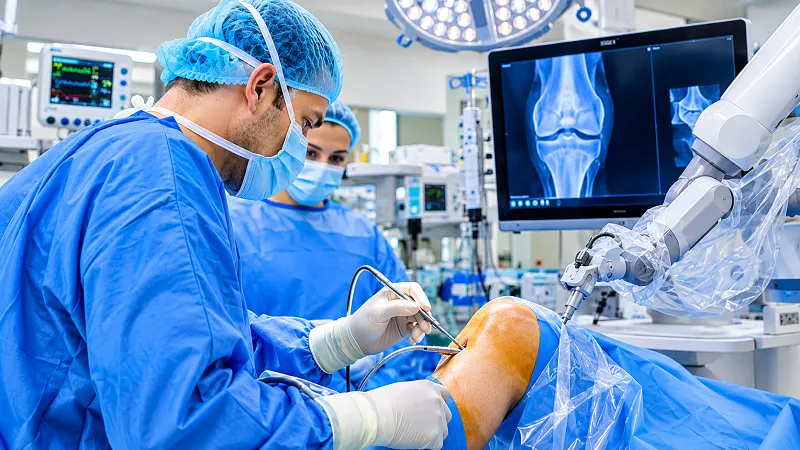
For a lot of Australians dealing with hip or knee pain, the thought of surgery isn’t exactly a welcome one. But treatment has shifted quite a bit over the last decade. Robotic tools, regenerative therapies, more targeted planning – modern orthopaedic care looks pretty different from what it did even ten years ago, and knowing what’s out there can make those conversations with your specialist a lot less intimidating.
What new surgical technologies are improving hip and knee treatment?
Minimally invasive arthroscopic techniques have quietly changed how surgeons approach joint problems. Instead of large incisions, small instruments and cameras do most of the work – meaning less tissue damage, less scarring, and usually a faster return to normal life.
Robotic-assisted surgery has pushed that precision further. During hip and knee replacements, robotic systems help surgeons position and align implants more accurately than freehand methods typically allow. That matters more than it might sound. A well-aligned implant tends to last longer and feel more natural, which makes future complications less likely.
Computer-guided navigation runs alongside these tools, giving surgeons live data throughout the procedure. Add in advanced imaging and 3D joint mapping beforehand, and surgeons can plan around a patient’s specific anatomy before the first incision is made. Less guesswork in the operating theatre generally means more predictable results.
Professionals like Dr David Slattery have seen how much this is changing things for patients – the move toward precision-guided surgery is giving people a smoother recovery and fewer complications to deal with on the other side.
How is regenerative medicine changing joint treatment?
Surgery isn’t always the immediate answer. Regenerative medicine has given patients – and their doctors – more room to work with before going down that path.
Platelet-rich plasma, or PRP, therapy draws on a concentrated form of the patient’s own blood platelets to support healing in damaged cartilage and tendons. It’s an outpatient procedure, relatively straightforward, and it’s become a popular option for people looking for non-surgical ways to manage joint pain.
Stem cell treatments are getting more attention too, particularly for their potential to preserve joint function by encouraging the body’s own repair processes. Research is still developing in this space, but the early signs are worth watching. Biologic treatments more broadly – aimed at reducing inflammation and supporting natural healing – are also finding their place in treatment plans for patients managing chronic joint conditions.
What does patient-centred care look like in modern orthopaedics?
The most significant shift might not be any single technology. It’s the move toward treating patients as individuals rather than working from a standard template. Better diagnostic tools mean specialists can factor in a person’s anatomy, lifestyle, and actual goals when putting together a treatment plan.
Recovery has gotten faster too. Many clinics now follow structured protocols informed by recent research, designed to get patients on their feet sooner with less time lost to downtime.
Longer-term, the numbers are improving as well. More precise surgery and better pre-operative planning have brought down rates of revision surgery – so fewer patients are going back under the knife a second time. Pain management post-surgery has also become more refined, which helps people stay on top of their recovery without being sidelined by discomfort.
Taking the next step in your treatment journey
Hip and knee treatment has genuinely come a long way. Australians dealing with these conditions now have more options available to them than previous generations did – whether that’s minimally invasive surgery, a regenerative therapy, or simply a clearer picture of what a personalised plan might look like. If joint pain is affecting your life, a conversation with an orthopaedic surgeon is a reasonable place to start figuring out what makes sense for you.