
Wisdom teeth, or third molars, usually appear between the ages of 17 and 25. For some people they erupt without trouble. For many others, there simply isn’t enough room, and they cause pain, infection or damage to neighboring teeth. Here is what you need to know about when wisdom teeth should be removed and how to make recovery as smooth as possible.
Why wisdom teeth cause problems
Because they are the last teeth to arrive, wisdom teeth often lack space to erupt fully. They may become impacted, meaning trapped in the jawbone or gum. Partially erupted wisdom teeth are hard to clean and can trap food and bacteria.
Signs you may need removal
- Pain or swelling at the back of the mouth
- Repeated gum infections around a partially erupted tooth (pericoronitis)
- Decay in the wisdom tooth or the neighboring molar
- Damage to the roots of nearby teeth
- Cysts around an impacted tooth
- Difficulty cleaning the area
Not every wisdom tooth needs to be removed. If yours are healthy, fully erupted and easy to clean, your dentist may simply monitor them with regular X-rays.
What happens during removal
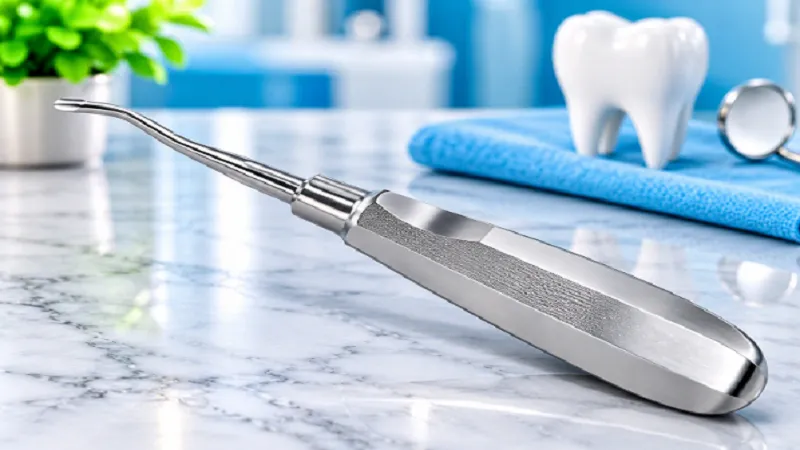
Wisdom teeth are removed under local anesthetic, often combined with sedation or, for complex cases, general anesthesia. For an erupted tooth, the dentist loosens it with dental elevators and removes it with forceps. Impacted teeth may require a small incision, removal of a little bone, and dividing the tooth into sections so it can be taken out gently. The procedure usually takes under an hour.
Preparing for the day
If you will be sedated, arrange for someone to drive you home and stay with you for a few hours. Follow your dentist’s instructions about eating and drinking beforehand. Stock up on soft foods, ice packs and any recommended pain relief before your appointment, so you can rest as soon as you get home. Wear comfortable clothes and plan to take it easy for the rest of the day.
Recovery tips
- Bite on gauze for 30 to 45 minutes to help a clot form.
- Use cold packs on your cheeks for the first day to limit swelling.
- Don’t use straws, spit forcefully or smoke for several days.
- Eat soft foods such as yogurt, eggs, soup and mashed potatoes.
- From the second day, rinse gently with warm salt water after meals.
- Take pain relief as directed by your dentist.
What’s normal and what isn’t
Swelling usually peaks on the second or third day, and stiffness in the jaw is common. Most people feel much better within a week. Call your dentist if pain worsens after day three, if you develop a fever, or if bleeding doesn’t stop. Worsening pain a few days after surgery may signal dry socket, which your dentist can treat quickly.
The best time to remove them
Removal is often easier in late teens and early twenties, when roots are not fully formed and bone is less dense. Talk to your dentist early if you notice any symptoms.